Chai, Autos and the QR Code: A Brit’s Independence Guide to Paying in India
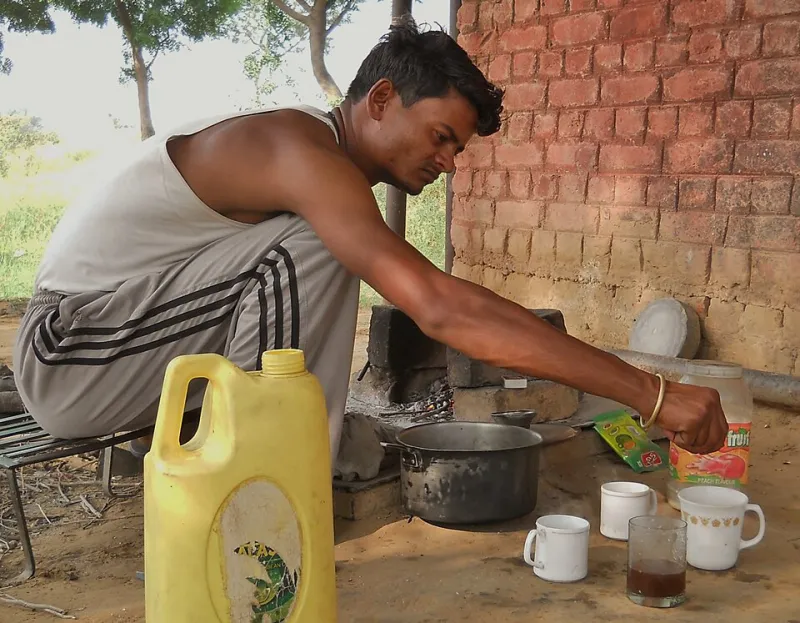
Photo: Michael Cannon, CC BY-SA 2.0, via Wikimedia Commons
The first test is rarely the airport taxi. It’s the chai stall outside your hotel, where the tea is £0.20, the vendor is holding a QR code, and you are holding a £10 note like a tourist from 1998. For British-Indian travellers, this is the moment the old family favour reflex kicks in: ring an uncle, ask him to send twenty rupees, spend the rest of the trip feeling twelve years old.
In 2026, you don’t need to do that. You do, however, need a plan. India’s digital payments system is brilliant, but it was built around Indian bank accounts and Indian mobile numbers. A UK traveller can absolutely pay like a local — just not by downloading one app and linking a Monzo card. Think of it as three pockets: a UPI option, a card, and cash. Get those working together and you can leave the family group chat out of it.
First, the honest version
UPI is not a single app. It is a set of rails that lets bank accounts and wallets talk to each other through QR codes and mobile numbers. For residents, it is almost boringly normal. For visitors, the experience depends on whether you already have an Indian bank account or whether you are starting from scratch.
There are two realistic routes. One is for British-Indians with NRE or NRO accounts. The other is for anyone who wants a short-stay visitor wallet. Neither is a magic wand, and both are easier if you sort the basics before you land.
Route one: you already have an Indian bank account
If you hold an NRE or NRO account, check whether your bank enables UPI for international mobile numbers. Several Indian banks now support this for customers in select countries, including the UK, but the process is bank-by-bank and sometimes branch-by-branch. Do not assume the app you used in 2019 will simply spring to life because you have a UK SIM and a hopeful expression.
Before you fly, log in to your Indian banking app and look for UPI activation. Make sure the mobile number registered against the account is one you can actually access while abroad. If the one-time password is going to an old Indian number that lives in a drawer in Leicester, fix it now. Then test a small transaction — a rupee transfer to a friend or a tiny bill payment — before you are standing in an auto rickshaw with three bags and no signal.
This route is the closest thing to paying like a local. It is also the one most likely to trip up on admin. Treat it like renewing a passport: boring, necessary, much worse if left to the last minute.
Route two: no Indian account? Use a visitor wallet
If you don’t have an Indian bank account, look into a UPI-enabled prepaid wallet for inbound travellers. The best-known version is the UPI One World wallet, issued by select banks for foreign nationals visiting India. You complete a simple KYC check with your passport and visa, load rupees onto the wallet, and then scan QR codes like everyone else.
This is not a bank account and it is not linked to your UK debit card in the way you might expect. It is closer to a travel card: you put money in, you spend it, and you top it up when needed. Availability is not universal — major airports and selected bank branches are the places to ask — and limits or fees can vary. Check the current rules before you travel and don’t load your entire holiday budget onto day one.
For the British-Indian traveller who wants independence without opening a new bank relationship, this is the sweet spot. It won’t give you a credit line or reward points. It will let you buy chai, settle an auto fare and pay for a museum ticket without borrowing a relative.
The three-pocket system
Do not rely on one payment method. The travellers who glide through Indian cities are the ones with options.
Pocket one: UPI or a visitor wallet. Use this for small, everyday payments: chai, auto rides, local cafes, temple stalls, small shops, guide tips. It is fast, it is normal, and it saves you from hoarding ₹10 notes like a wartime rationer.
Pocket two: a card. Visa and Mastercard are widely accepted at hotels, larger restaurants, shops and transport booking sites. American Express is patchier. Use a travel-friendly UK card and always choose to pay in rupees, not pounds, when the machine offers you the choice. Dynamic currency conversion is rarely your friend.
Pocket three: cash. Keep a modest float — the equivalent of £20 to £30 — for the situations that still run on notes: tiny stalls, rural stops, temple shoe deposits, luggage minders and the occasional place where the QR code is taped to a wall and looks older than you are. Cash is not a failure. It is a backup.
Where UPI earns its keep
UPI shines in the small stuff. Auto drivers often prefer it because they don’t have to find change. Chaiwallahs use it because it avoids a pile of coins. Local cafes, snack counters and small shops increasingly expect it. If you are travelling with a visitor wallet, this is exactly where it proves its worth.
For bigger payments — hotel deposits, expensive tours, jewellery, anything with a proper invoice — do not default to a personal QR code just because it is waved at you. Use a card or pay through the business’s official channel. If a small hotel asks for a UPI transfer, check that the name on the app matches the hotel or its registered business. Ask for a receipt. The five seconds it takes to check are cheaper than the forty minutes you’ll spend arguing later.
The QR code check that saves you
QR-code fraud is not unique to India, but the sheer volume of QR codes means you need a routine. Before you scan, look at the code itself. Is it a fresh sticker slapped over an older one? Does the merchant name in your app match the shop? Does the amount look right? If someone hands you a phone and says ‘scan this to receive money’, stop. You never need to enter your PIN to receive money. That request is a payment, not a refund.
Be wary of QR codes sent over WhatsApp by strangers, especially if they are attached to a property deposit, a tour booking or a ‘refund’. Use official booking platforms where you can. If a vendor is rushing you, create a polite pause. ‘One second, let me check the name’ is a perfectly good sentence. If the code looks tampered with, ask for another one or pay cash.
And keep your PIN to yourself. No genuine merchant needs it, no genuine refund requires it, and no genuine uncle will ask for it. (If he does, ring your aunt.)
Setup checklist before you leave Blighty
Tell your UK bank you are travelling, even if it feels old-fashioned. Check that your phone can receive SMS abroad if you are relying on OTPs. If you plan to use an Indian eSIM, make sure you understand whether it supports incoming texts; data-only plans are great for maps and useless for bank verification. Carry your passport when you set up a visitor wallet, and keep a screenshot of your hotel address in case a driver needs it.
Download the relevant app before you land if you can, but don’t panic if the setup happens at the airport. Keep your physical cards separate from your phone. Learn the phrase ‘UPI chalega?’ — it means ‘will UPI work?’ — and use it with a smile. Most people will help.
The etiquette bit
Have your screen ready before you reach the front of the queue. Scrolling aimlessly while a chai stall builds a crowd behind you is not the vibe. Check the amount before you tap. If you are splitting a bill with friends, do it afterwards; don’t turn a two-minute payment into a group therapy session. Tipping is not automatically built into UPI payments, so if you want to round up for good service, say so and do it deliberately.
And if you do need to ask a relative for help — a forgotten OTP, a bank glitch, a wallet top-up that won’t process — ask without shame. The goal is not to pretend you are a local. The goal is to pay your way, enjoy the trip and keep the family favour for actual emergencies, like someone forgetting to pack the methi.
By day three, you’ll be scanning QR codes without thinking. By day five, you’ll be the one explaining it to another Brit at the hotel breakfast. Just remember the golden rule: the QR code is not a tip jar, and your PIN is not a conversation starter.