Sterling in Six Cities: What a £100 Day Buys in India in 2026
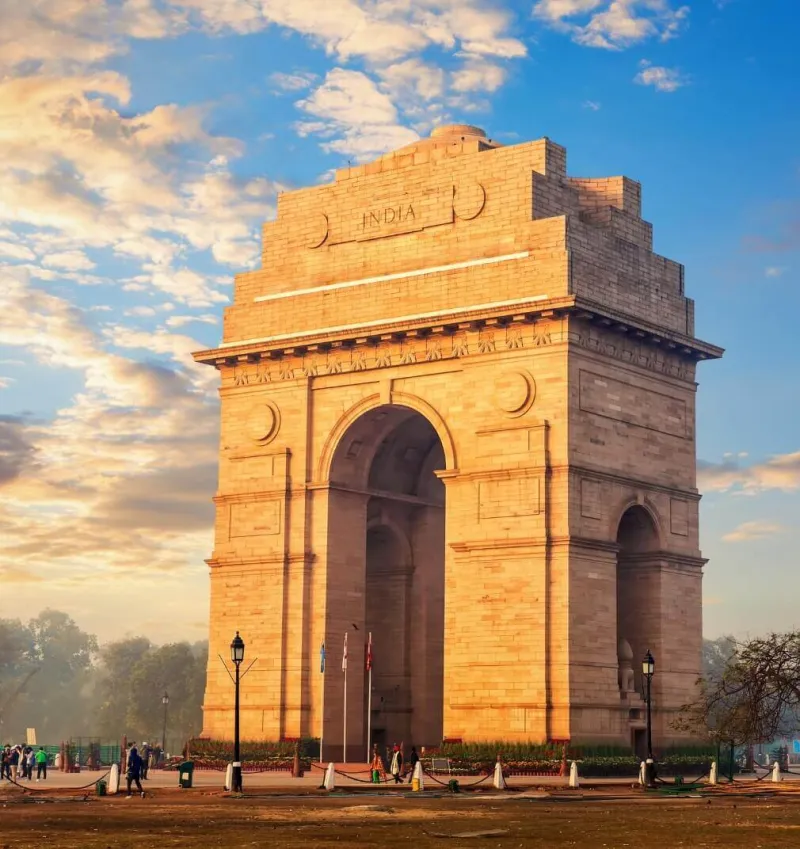
Photo: India travel budget rupees street market six cities UK traveller, via voyotrip.com
A £100 day in India can feel either generous or tight, depending on where you are. In Kolkata it can cover a comfortable guesthouse, three good meals, local transport and a museum. In Mumbai it can vanish before dinner. This guide uses a realistic mid-range visitor day: a clean three-star hotel or good guesthouse, breakfast, lunch, dinner, local transport, one paid sight and a small buffer. At roughly ₹110 to £1, £100 is about ₹11,000. It is not a backpacker budget and it is not a five-star one. It is the sort of day a sensible UK visitor can actually have in 2026.
How we built the £100 day
Each city total includes stay, food, transport, entry fees and a small buffer. It does not include international flights, travel insurance, airport transfers or shopping. Those are trip costs, not day costs. It also does not pretend you are local. A visitor will pay more for some monuments, may take a taxi instead of a bus, and will probably buy more bottled water than they expect. That is fine. The point is to know where the money goes.
Mumbai — £102
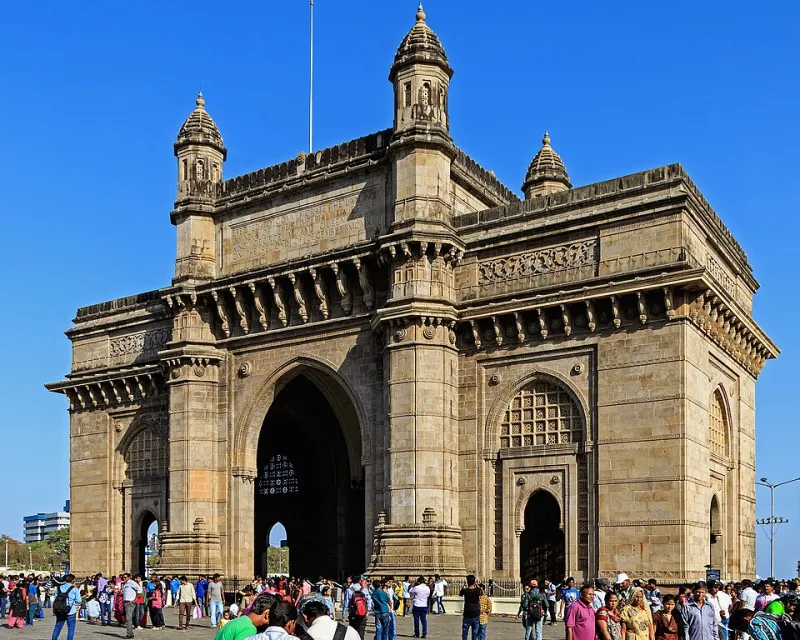
Stay: £52 for a Bandra or Colaba guesthouse with breakfast. Food: £24 for a cafe breakfast, a local lunch and a relaxed dinner. Transport: £14 for metro, taxi and a short ferry. Sights: £10 for a museum or gallery. Buffer: £2. Total: about £102, or ₹11,220. Mumbai is where the £100 day starts to creak. Hotel rates and airport transfers bite hardest. If you stay in the suburbs and use the metro, you can pull it under £90. If you want Colaba and taxis, budget more.
Delhi — £85
Stay: £38 for a central three-star. Food: £20 for parathas, a simple lunch and dinner. Transport: £12 for metro and autos. Sights: £12 for a major monument or two. Buffer: £3. Total: about £85, or ₹9,350. Delhi rewards anyone willing to use the metro. The tourist premium shows up at major monuments, where foreign visitor tickets cost more than local ones. That is not a scam; it is dual pricing. Pay it, or choose one big sight and spend the rest on walking.
Kochi — £83
Stay: £40 for a Fort Kochi homestay. Food: £22, including a seafood dinner that is still good value by UK standards. Transport: £10 for autos and the ferry. Sights: £8 for a palace or museum. Buffer: £3. Total: about £83, or ₹9,130. Kochi is one of the best places to stretch sterling. The ferry is cheap, walking is pleasant and the food is memorable. The trap is boutique cafes. Lovely, but three of them a day will push you past £100.
Jaipur — £95
Stay: £42 for a well-located guesthouse. Food: £20. Transport: £12 for autos and a taxi. Sights: £18 for Amber Fort and one smaller monument. Buffer: £3. Total: about £95, or ₹10,450. Jaipur is not expensive, but the sights add up. Foreign visitor tickets at the forts are higher than you might expect if you are used to Indian prices. Book one combined ticket if it suits your plan, and do not let a guide talk you into every stop.
Kolkata — £66
Stay: £32 for a simple but comfortable guesthouse. Food: £18 for a day of excellent eating. Transport: £8 for metro, tram and auto. Sights: £6 for a museum or gallery. Buffer: £2. Total: about £66, or ₹7,260. This is where sterling stretches furthest. Kolkata can be astonishingly good value if you are not chasing five-star comfort. The £100 day leaves room for a taxi, a second coffee and a bookshop. It is also a city where spending more does not always buy a better day.
Pondicherry — £88
Stay: £45 for a White Town guesthouse. Food: £25 for cafe culture and a proper dinner. Transport: £10 for a scooter or short taxis. Sights: £5 for Auroville or a museum. Buffer: £3. Total: about £88, or ₹9,680. Pondicherry is smaller than the others, so transport costs are low, but the cafes and boutique stays can add up. It is a good place to slow down and let the budget breathe.
Where sterling stretches furthest
Kolkata is the clear winner on this list, with Kochi and Delhi close behind if you use local transport. Mumbai is the most expensive, followed by Jaipur once you pay for the main sights. The lesson is simple: in India, your daily budget depends less on the country and more on your choices. A metro card, a local lunch and one paid attraction will always beat a taxi, a hotel restaurant and a guide who suggests three shops.
Where the tourist premium bites
The biggest costs for UK visitors are not scams. They are hotel rates in popular areas, foreign visitor tickets at monuments, airport transfers and guided tours. Some hotels add taxes that make the room rate look lower online. Some restaurants charge more in tourist districts. None of this is surprising, but it is why a £100 day in Mumbai feels different from a £100 day in Kolkata. Build a buffer, check the final price before you book, and do not haggle as if you are local. You are not.
How to spend like a sensible visitor
Use official taxis or app-based rides from the airport. Take the metro where it is good. Eat one local meal a day. Carry small notes. Buy water from shops rather than hotel minibars. Pay for a licensed guide at a major site if you want context. Use a card with no foreign transaction fees where accepted, but keep cash for small places. And treat £100 as a planning tool, not a rule. Some days will cost £60. Some will cost £130. That is travel.