The Suitcase That Smells of Methi: Indian Food and UK Customs in 2026
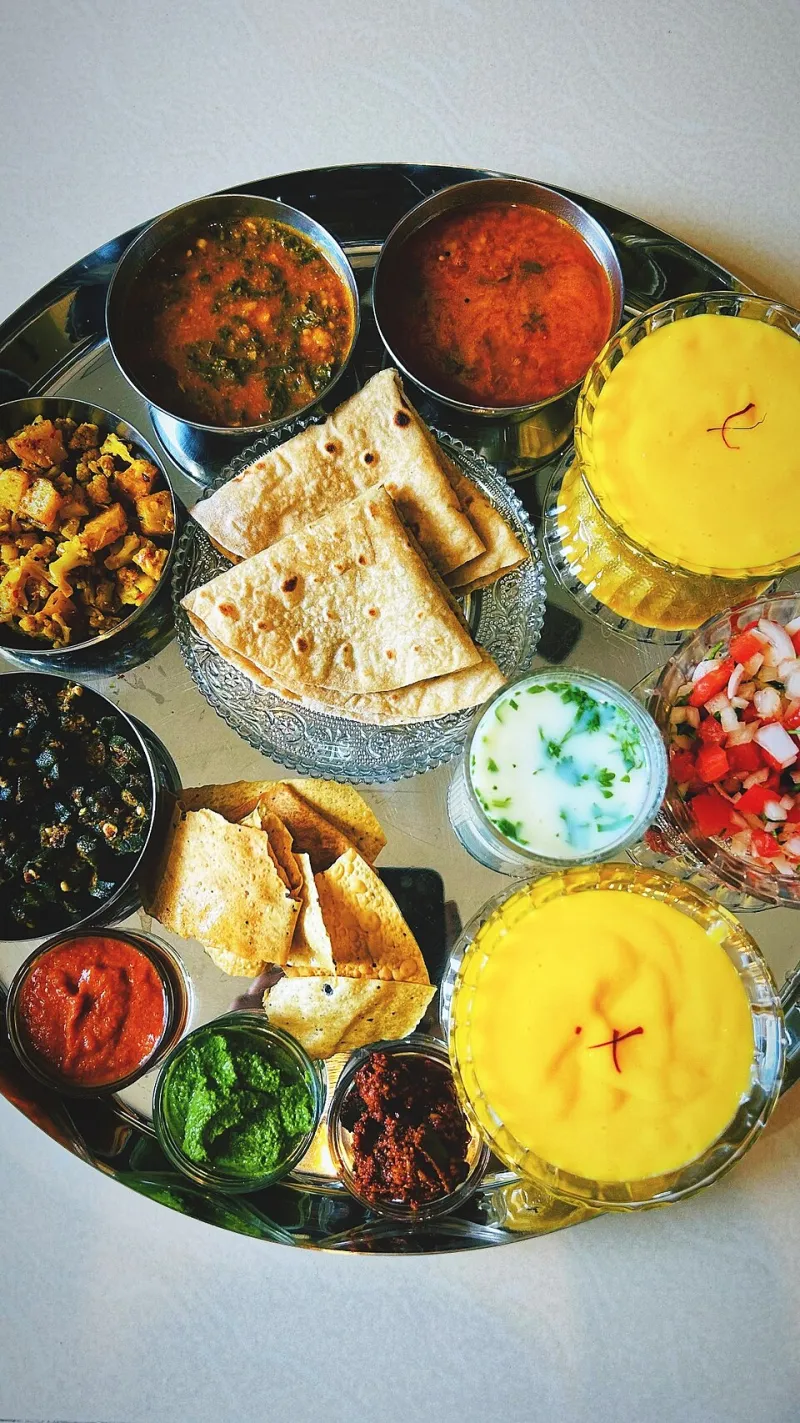
Photo: Shubhanshri01, CC BY-SA 4.0, via Wikimedia Commons
It starts with a Tupperware. Then a second. By the last night in India, the suitcase has become a edible inventory: pickle wrapped in newspaper, methi seeds in a zip-lock bag, a box of sweets that someone insisted was 'just for the flight'. For plenty of British-Indian families, bringing food home is not a smuggling habit. It is a love language.
UK border control, however, does not speak that language. It speaks in categories: meat, dairy, eggs, plants, personal imports. And in 2026, the sensible approach is not to test the rules with a heroic amount of ghee. This is a practical guide, not legal advice — check gov.uk before you fly, because guidance can change.
The short version: personal use, not a spice business
The UK's personal import rules are stricter for food of animal origin coming from outside the EU. In practice, that means meat, meat products, milk, dairy products, eggs and products containing them are generally not allowed in your luggage for personal use from India. Spices, lentils, rice, tea, coffee, dried snacks and sealed plant-based pickles are usually the easier end of the suitcase, provided they are for personal consumption and in reasonable quantities.
The key phrase is reasonable. A few kilos of spices for the family kitchen is one thing. A suitcase that looks like a wholesale delivery is another. Customs officers are not there to police your nostalgia, but they are there to enforce food safety rules.
What usually travels fine
Whole and ground spices, dried chillies, curry leaves, lentils, pulses, rice, tea, coffee, papad, sealed namkeen and other shelf-stable snacks without animal products are generally straightforward. Sealed pickles and chutneys made with oil, salt and spices — and no meat, fish or dairy — are usually fine in personal quantities. The same goes for many dried fruits and nuts, though it is always worth checking current guidance if you are carrying large amounts.
Original packaging helps. A label in English helps more. If a jar has been decanted into an unmarked container, you are asking a customs officer to make a judgement call based on smell and hope. That is not a great plan.
What to leave behind
Meat is the big one. That includes cooked meat, tinned meat, meat pickles, dried meat and anything containing meat stock or meat pieces. Dairy is the second big one. Paneer, ghee, butter, cheese, milk powder and sweets made with khoya or milk are all dairy. The fact that ghee is clarified does not change its category. The fact that a sweet is 'only a little bit milk' does not either.
Eggs and egg products are also restricted. Homemade treats are especially risky because they are hard to label and hard to verify. Fresh fruit and vegetables can bring plant health issues, so they are rarely worth the hassle. Honey and some fish products can have their own conditions, so check the latest gov.uk guidance rather than relying on a cousin's success story from years ago.
The declaration question
At UK border control, you choose the green channel if you have nothing to declare, and the red channel if you do. If you are carrying food that might be restricted, use the red channel. Declaring is not an admission of guilt; it is a conversation. If the item is allowed, you should be fine. If it is not, it will be seized.
There is no family exemption. There is no 'it was a gift' exemption. There is no 'but my mother made it' exemption. Penalties can include seizure and fines, and a long delay at the airport is a miserable way to end a holiday.
Packing so the suitcase survives
Double-bag powders. Wrap jars in clothes you do not care about. Put anything liquid — pickle oil, sauces, chutneys — in your hold luggage, because hand-luggage liquid limits still apply. Keep food separate from clothes where you can, and keep original labels on anything that might look ambiguous.
Do not cram. A tidy, sealed, labelled food pack is easier to explain than a chaotic bag of mystery foil parcels. Think of it as a picnic for customs, not a contraband run.
The emotional ledger
For many British-Indian families, the food in the suitcase is not really food. It is the taste of a grandmother's kitchen, the smell of a festival, the proof that home is still reachable. That is why the rules feel personal. But the best souvenir is the one that actually arrives.
If a favourite item is banned, look for a UK supplier, ask for the recipe, or find a freezer-friendly alternative. The curry leaf carry-on can still be a carry-on of curry leaves — dried, sealed and legal. The love travels either way.