Sunshine After the Sparkle: The UK Traveller's 2026 Guide to India's Quiet Winter Window
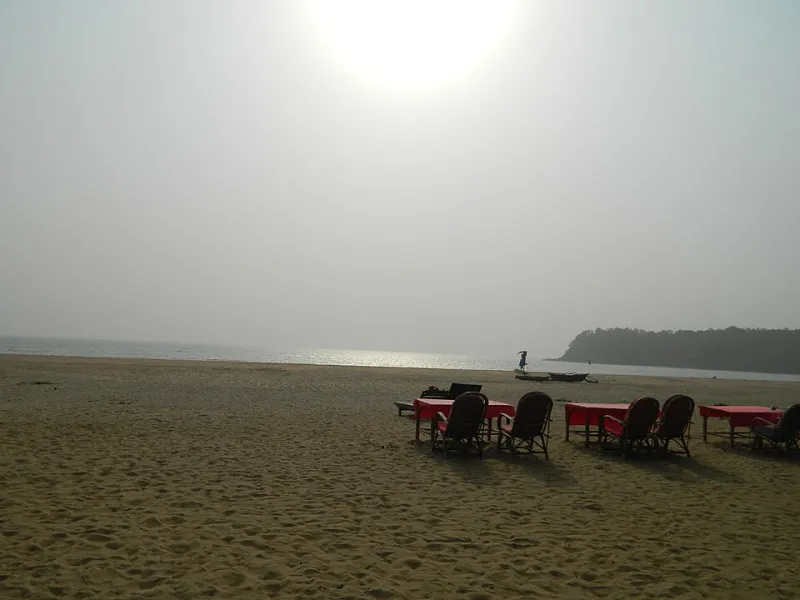
Photo: Sobarwiki, Public domain, via Wikimedia Commons
Winter sun in India has an image problem. Say 'India in winter' and half the pub pictures Goa at New Year: packed beaches, inflated taxis and a sunbed scramble. The other half imagines Rajasthan in a heatwave. Neither is the full story. The window from late November to February is one of the smartest times for a UK traveller to go — provided you know where the crowds gather and where they don't.
Diwali falls on 8 November 2026, so the first days of the season still hum with lights and last-minute domestic travel. After that, India settles into a calmer rhythm. The Christmas and New Year spike is real, especially in Goa and Kerala, but it is also narrow. Move your dates by a week or two and the same trip can feel remarkably unhurried.
Why the quiet season is the smart season
India's winter is not one weather system. The south is warm and mostly dry; the north is cool and clear; Rajasthan swings from pleasant afternoons to genuinely cold mornings. That variety is the point. You can combine beach time, backwaters and desert without the punishing heat of April or the monsoon disruptions of July.
Crowds follow school holidays and festivals, not the calendar alone. Late November and early December are quieter than the Christmas week. The first week of January is still busy as domestic travellers head home. From roughly 8 January to mid-February, you get a generous sweet spot: reliable sunshine, manageable queues and hotel rates that have not yet climbed for spring.
Goa: skip the Christmas crush
Goa is not one beach. The north around Calangute, Baga and Candolim is the busy, built-up version. For a quieter winter trip, look south to Agonda, Patnem or Galgibaga, or pick the northern villages of Ashwem and Mandrem if you want more cafés with your calm. None is secret, but they feel a world away from the New Year strip.
Accommodation is where the savings live. Many Goan hotels and beach huts impose minimum stays and peak rates from around 20 December to 3 January. If you can travel from 1 to 20 December, or from 8 January onwards, you will often pay less for the same room. Book directly with smaller guesthouses where possible, and confirm whether the price includes tax and airport transfers.
Eat where the locals eat: fish thalis, prawn balchão, poi bread and bebinca. The Feast of St Francis Xavier in Old Goa on 3 December is a fascinating cultural date if you are nearby, but it also brings crowds. The Goa Carnival in February is colourful and busy; Sunburn and other late-December events are best avoided unless that is the reason for your trip.
Kerala: backwaters without the bottleneck
Alleppey is the postcard, but it is also the bottleneck. Overnight houseboats are heavily booked over Christmas and New Year, and the main canals can feel like a procession. For a quieter experience, base yourself in Kumarakom, Kottayam or Munroe Island, and book a shorter day cruise or a small shikara ride instead of a full houseboat night.
Responsible tourism matters here. Ask operators about waste management, crew working conditions and whether they use smaller canals away from the main routes. A good homestay will often arrange this better than a large booking platform. January is generally excellent for backwaters, but Makar Sankranti and Pongal in mid-January bring domestic travel, so book trains and transfers early.
The Sabarimala pilgrimage season runs through the winter and can affect roads and transport in parts of central Kerala. That is not a reason to avoid the state, but it is a reason to check local advice before planning a tight road journey.
Rajasthan: desert days that don't bake
Rajasthan in winter is a different place. Jaisalmer, Jodhpur, Bikaner and Bundi are pleasant by day and cold at night. Pack layers, check that your hotel has proper heating, and plan sightseeing for the middle of the day rather than early morning. The light is beautiful, the fort crowds are thinner than in October, and desert camps are far more comfortable than in summer.
Festival dates can make or break a Rajasthan itinerary. The Pushkar Fair usually lands in November, shortly after Diwali, and fills hotels around Pushkar and Ajmer. The Jaipur Literature Festival in late January is wonderful if you are a book person, but it pushes up city hotel prices. The Desert Festival in Jaisalmer in February is a colourful reason to head west. Republic Day on 26 January brings security and crowds to Delhi, not Rajasthan, but it can affect flight and train availability across the north.
Flights from the UK: what 2026 is telling us
For winter 2026-27, the usual rule applies: Gulf hubs are your price battleground. Emirates via Dubai, Qatar Airways via Doha and Etihad via Abu Dhabi remain strong options from Heathrow, Manchester, Birmingham and Glasgow. Direct London Heathrow routes to Delhi, Mumbai and Bengaluru are convenient but spike sharply around Christmas. Seasonal charter seats to Goa from Gatwick and Manchester often appear inside package deals, so compare the package price with DIY flights before dismissing them.
If you are reading this in early November, Christmas is already expensive. Aim for 8 January onwards if your dates are flexible. For late-January and February trips, set fare alerts now and book roughly eight to twelve weeks ahead. Midweek departures are usually cheaper. Check baggage allowances carefully on Gulf carriers, and make sure any package is ATOL-protected.
Visas and paperwork: the boring bit that saves you
UK passport holders need a visa for India. The e-Tourist visa is the simplest route for most holidaymakers: apply through the official Indian government website, not a lookalike agent. Apply at least four days before travel. The standard 30-day e-visa is usually double-entry; one-year and five-year options exist for frequent visitors. Your passport should have at least six months' validity and a blank page, and you should carry a return ticket and proof of funds.
Print your visa approval and carry it with your passport. Keep a digital copy too. Check the name spelling and passport number before you submit — corrections are slower than careful form-filling.
The pricing playbook
Think in shoulder windows: 1 to 20 December, then 8 January to 10 February. Avoid UK February half-term if you can, as Kerala and Goa prices jump. Book refundable rates where possible, travel midweek, and use local transport rather than pre-paid airport taxis. Pay in rupees where you can, and keep a backup card. None of this is glamorous, but it is how you get winter sun without the winter premium.
At Connect India UK, we would rather have a quiet beach in South Goa than a packed one in Candolim. The quiet season rewards travellers who are willing to shift their dates by a week. That is the whole trick.