The Landing That Wasn’t: A UK Traveller’s Guide to North India’s Winter Fog Chaos in 2026
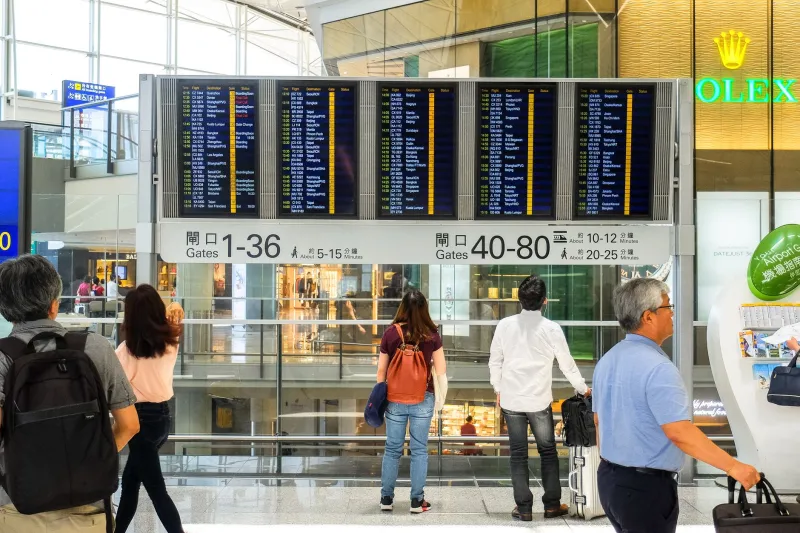
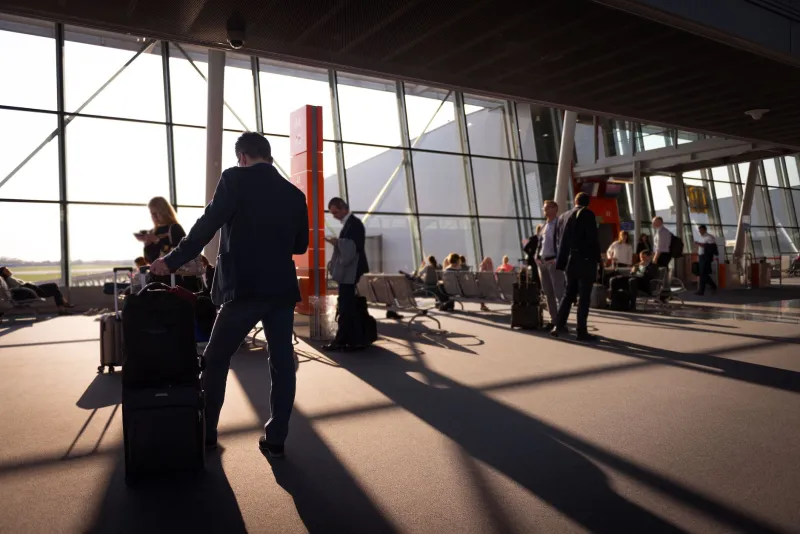
There is a specific kind of silence in a UK departure lounge when the board flickers from “Delhi — on time” to “Delhi — delayed” and your phone lights up with a cousin in Punjab saying simply: “Fog hai.” It is not panic. It is resignation, followed by a quiet calculation about whether the wedding, the village visit or the Monday morning meeting is about to be reshuffled by weather 4,000 miles away.
North India’s winter fog season is not a myth or a rare inconvenience. It is a predictable, annual feature of travel between Britain and the subcontinent, roughly from late December into February, with the worst of it often settling over the Indo-Gangetic plain in the small hours. Delhi, Lucknow, Amritsar, Varanasi and sometimes Chandigarh can all feel the sting. In 2026, as winter trips get booked and family schedules firm up, it pays to treat fog not as bad luck but as a season to plan around.
Why a fog delay in India can bite you in Britain
It helps to understand the chain reaction. Your flight from Heathrow, Manchester or Birmingham may be operated by a UK or Indian carrier, but the aircraft often arrives into the UK from an Indian city earlier in the day. If that inbound aircraft is stuck in Delhi because visibility has dropped and the airport is running on reduced capacity, your outbound departure can slip before you have even reached the airport.
Delhi’s Indira Gandhi International Airport has advanced low-visibility procedures for good reason, but “CAT III” capability does not mean every aircraft, crew and runway slot is available at once. Fog slows the whole system: arrivals are spaced out, diversions happen, crews run out of legal duty hours, and the first wave of morning departures becomes a scrum. Add the usual winter demand from diaspora families, wedding parties and holidaymakers, and you have the perfect conditions for a 4am rebooking queue.
The early-morning arrival is not a personality trait
A 3am or 4am landing in Delhi can look efficient on paper. You clear immigration early, beat the traffic and reach the family home before breakfast. In fog season, it is also the riskiest slot you can book. Visibility is usually at its worst in the hours before dawn, and if your flight cannot land, the diversion airport may be Jaipur, Ahmedabad, Mumbai or somewhere else entirely. By the time you are bussed, processed and rebooked, that “early start” has become a lost day.
If you have any flexibility, aim for a late-morning or afternoon arrival. It will not make you immune to fog, but it gives the airport a chance to clear the overnight backlog. And if you are travelling for a wedding, a funeral or a once-in-a-decade family gathering, build in at least 24 to 48 hours before the first fixed event. Treat that buffer as part of the ticket price, not a luxury upgrade.
Insurance is not a blanket, so read the bit that matters
Travel insurance can be a lifesaver, but it is not a magic wand. Many UK policies cover travel delay after a certain number of hours, missed connections and extra accommodation, but the wording varies wildly. Check whether your policy covers “diversion” as well as “delay”, whether it pays for a hotel if you choose to stop rather than continue, and whether it expects you to claim from the airline first.
Keep every receipt, boarding pass and airline notification. A screenshot of the departure board is not glamorous, but it is evidence. If you booked a package through a UK operator, your ATOL protection and package rules may give you stronger rights than an independent flight booked directly. If you booked separately, know that UK-style compensation rules do not automatically follow you into an Indian domestic disruption. The airline still has duties of care, but the practical reality is that you may be sorting your own hotel at 4am.
The airport hotel is a tool, not a defeat
If you are arriving late or departing early, a refundable airport hotel is one of the best fog-season purchases you can make. Delhi’s Aerocity cluster is the obvious choice, with easy access to the terminals and a decent chance of a bed even when plans shift. Lucknow and Amritsar have fewer options, so book early and confirm the cancellation policy in writing.
A hotel also gives you somewhere to retreat if your flight is diverted. Instead of joining a scrum at the airline desk, you can check in, charge your phone, sleep for three hours and rebook with a clearer head. It is not the trip you imagined, but it is a far better version of a bad night.
Plan B should involve a train, not just hope
Indian Railways is not a cure-all, but it is a useful backup. If your flight is cancelled and you need to reach Lucknow, Varanasi or another city, check trains before you accept a rebooking three days later. Vande Bharat and Rajdhani services can fill up fast, especially around holidays, so keep the IRCTC app or a trusted agent in the loop. Do not assume you can buy a same-day sleeper at the station while dragging two suitcases.
If a relative can drive, even better. But be realistic about winter driving conditions and tiredness. A midnight road transfer after a diversion is not always safer than a night at the airport hotel.
The family WhatsApp protocol
When a landing turns into a diversion, information is the first casualty. Nominate one person in the UK or India to be the official updater. Share your flight number, the airline app’s live status and a simple sentence: “Diverted to Jaipur, safe, will update when I know more.” Do not let forty relatives ring the airline on your behalf. Do not send a voice note from a bus unless you enjoy chaos.
If you are the relative waiting at arrivals, remember that a diversion is not a disaster. It is a schedule change. The traveller is usually more frustrated than endangered. Keep the chai warm and the questions simple.
A short pre-flight checklist for fog season
- Book a daytime arrival if you can, and leave a 24–48 hour buffer before anything unmissable.
- Choose a refundable airport hotel for the first or last night.
- Read your insurance policy for delay, diversion, missed connection and abandonment cover.
- Download the airline app, save your booking reference offline and keep a power bank in your carry-on.
- Pack essential medicines and a change of clothes in your hand luggage.
- Share a single, clear itinerary with one family contact rather than a group of fifteen.
- Know the rail backup options for your route before you need them.
Fog season is not a reason to cancel your winter trip. It is a reason to travel like someone who has read the weather forecast. Britain has rail replacement buses; north India has December fog. Both are annoying, both are manageable, and both are much easier when you have a plan B, a charged phone and a relative who knows how to wait.