Offline at Arrivals: What Getting Connected in India Actually Costs in 2026
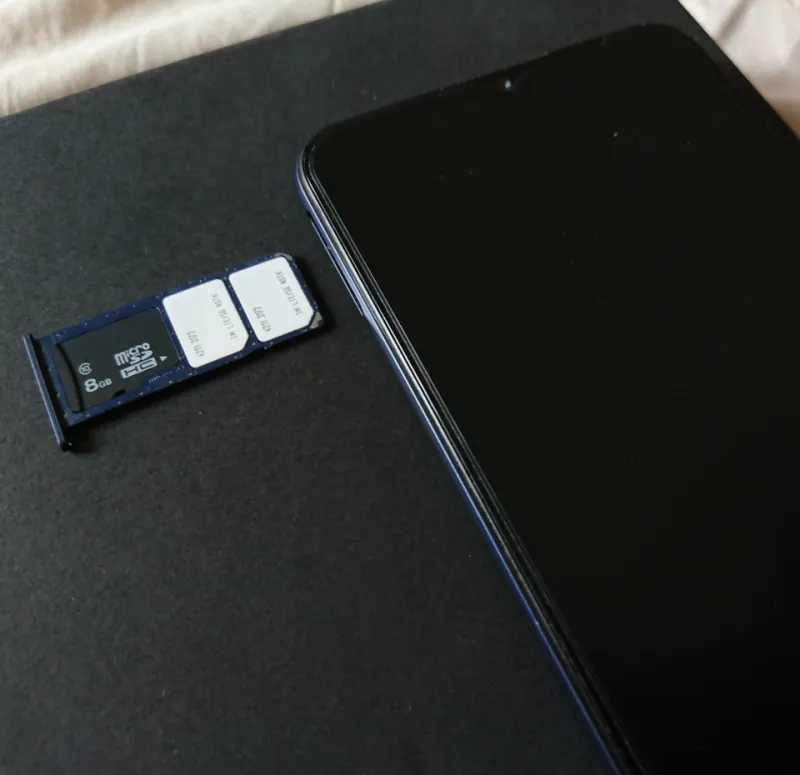
Photo: Paowee, CC BY-SA 4.0, via Wikimedia Commons
You land at 4am, the queue at immigration is doing its usual thing, and the first thing you want is data. Not for anything dramatic — just to tell the family group chat you have arrived, and to find out whether your pre-booked cab is actually waiting. What follows is one of the most reliably mishandled bits of any India trip: getting a working phone.
Most people assume their UK network will simply carry on working, a bit like Spain but further away. It won't, not without a price. And the alternatives — airport kiosks, city-centre shops, eSIM apps, a little plastic router in your bag — each come with their own small print.
First, the roaming reality check
India sits well outside any UK network's free-roaming zone. Depending on your provider, you're either buying a daily pass (commonly £5–£7 a day, sometimes more) or paying per megabyte at rates that were designed to discourage you. A fortnight on a daily pass can easily cost more than a decent hotel night in a smaller city.
Two things to know before you fly. First, check whether your plan's "rest of world" zone actually includes India — several UK bundles lump it in with a group that reads reassuringly until you look closely. Second, do not cancel your UK contract before you leave. You will almost certainly need your British number live for one specific job: receiving the one-time passcodes from your bank, your credit card and your email provider. Receiving an SMS abroad usually costs nothing, so keep the SIM in the phone, switch off mobile data on that line, and let it sit there quietly doing its one important task.
The local SIM: cheapest, and the most faff
An Indian SIM from Airtel, Jio or Vi is by far the best value once it's working. Expect to pay somewhere in the region of ₹250–₹400 for a 28-day pack with a gigabyte or two a day plus unlimited calls — the sort of money that makes a £6 daily roaming fee look faintly ridiculous.
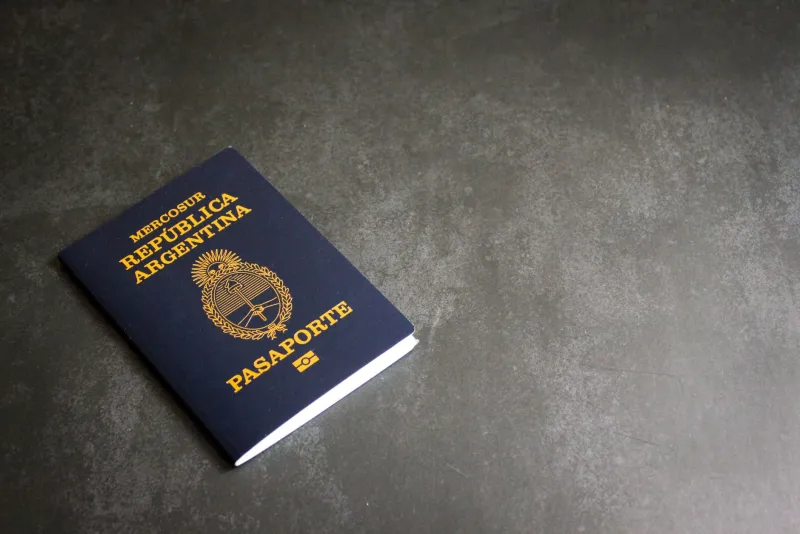
The catch is activation. Foreign nationals need to complete KYC: your passport, a valid visa (an e-visa printout is usually fine), a photograph and, in many cases, a local reference or your hotel's address. Rules tighten and loosen, so treat any blog you read — including this one — as a starting point rather than gospel. What has been consistently true is that the airport counter is the most expensive and often the slowest place to do it, and an official branded store in the city is better on both counts.
Give it time. Same-day activation happens, but a 24-hour wait is entirely normal, and if you arrive on a Friday evening you may be waiting until Monday. Plan your first 36 hours as though you will be offline, and you will never be disappointed.
The eSIM: fast, tidy, and a bit deaf
An eSIM bought from a UK-based provider before you fly is genuinely convenient: install it, land, switch it on, and you're online before the taxi rank. Prices are reasonable for data, and it saves you the shop visit entirely.
The thing nobody tells you is that most travel eSIMs are data-only. No Indian phone number means no SMS from Ola or Uber, no OTP from a restaurant booking, no calling the guesthouse whose gate you cannot find. In a country where a mobile number is increasingly the key to everything — deliveries, cabs, ticket counters, even some payment apps — this matters more than the speed of your connection.
If you go down this route, pair it with a calling solution: WhatsApp calls cover most family contact, and a data eSIM handles maps and messaging. Just be honest with yourself about the gaps.
Pocket Wi-Fi and the hotel Wi-Fi trap
A portable router rented in the UK works, but you are now carrying, charging and worrying about a second device, and it still doesn't give you a number. Hotel Wi-Fi, meanwhile, is fine for email and dreadful for anything that needs a stable connection — assume video calls will fail and plan accordingly.
The practical version
Here is what most sensible British travellers end up doing in 2026:
- Keep your UK SIM active with data roaming switched off, purely to receive bank and email passcodes.
- Buy a data eSIM before departure for the first two or three days — maps, cabs via apps that work over data, messaging home.
- Pick up a local Airtel or Jio SIM from a proper store on day two or three, once you are settled and have time to sit through the paperwork.
- Carry your passport and a printed e-visa to that shop, and expect to be asked for a photograph.
- Check your phone is unlocked before you leave Britain. A handset still tied to a UK network will reject an Indian SIM, and that is a miserable discovery to make in a queue.
One last thing worth saying plainly: connectivity in India is not a luxury, it is the operating system. The auto-rickshaw, the train ticket, the dosa delivery at 11pm — all of it runs through a phone. Sort it properly in the first 48 hours and the rest of the trip gets noticeably easier. Rush it in an arrivals hall at dawn, and you will pay twice: once in rupees, and once in the hour you spend staring at a screen that says "activating".