The Roots Day Rule: Visiting an Ancestral Village Without Derailing the Holiday
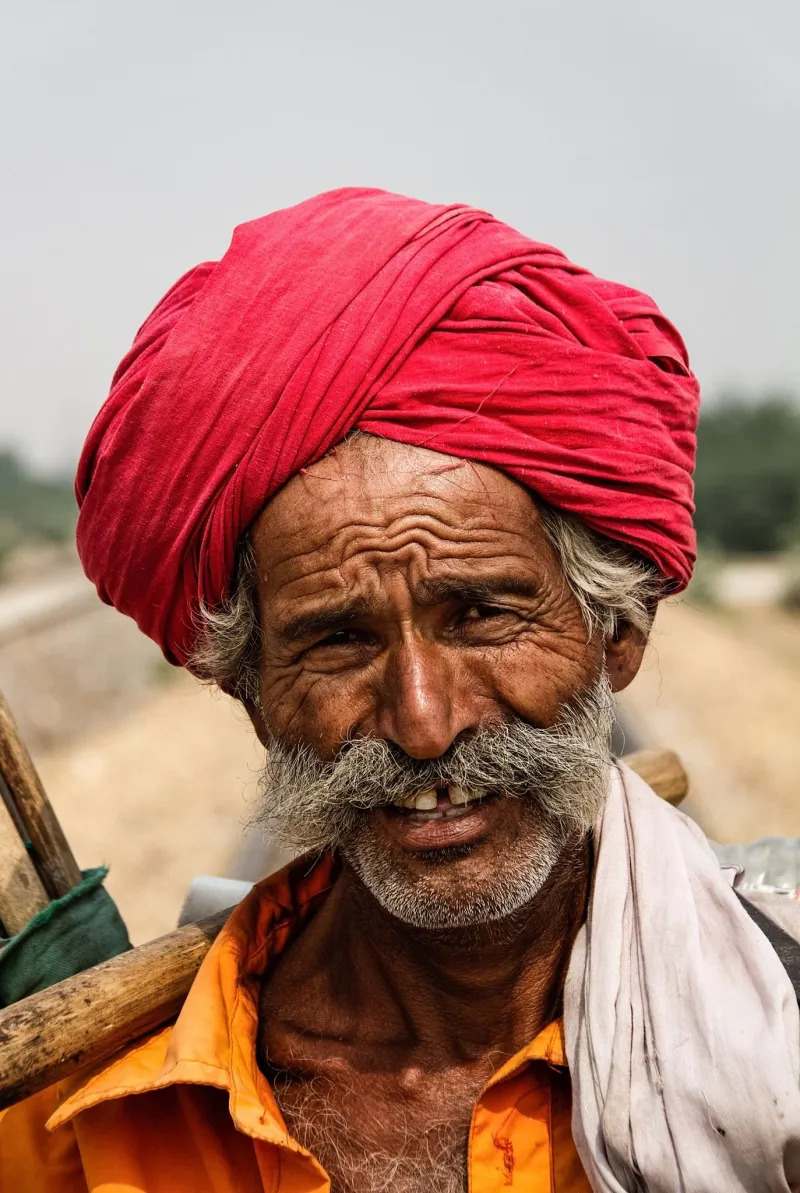
Photo: Indian ancestral village rural lane family home visit, via i.pinimg.com
There is a particular moment in many British-Indian families when someone says, “We should go back to the village.” It might be after a funeral, before a big birthday, or simply because an older aunt in Southall or Glasgow keeps mentioning a house she last saw in 1974. The idea is powerful. The planning is where it usually gets stuck.
A roots day is not a museum trip. It is a family visit with logistics. Done well, it can fit into a normal India holiday without swallowing it whole. Done badly, it becomes a seven-hour drive to a locked door and a lot of silence in the car.
Start with a name, not a pin
Before you open a maps app, collect what you actually know. The village name. The district. The nearest town. A grandfather’s name. An old address from a letter. A school, temple, church, mosque or gurdwara. A land record if anyone has one. Ask older relatives in Britain to write things down or send voice notes. Their pronunciation may be the only clue you have.
Don’t expect a neat archive. Indian records can be patchy, scattered between local offices, temple registers, school logs and family memory. Electoral rolls, land papers and old certificates may exist, but finding them can take more time than a short trip allows. Treat records as a bonus, not the whole point.
The driver question
For a roots day, a good local driver is worth more than a cheap one. You want someone who knows the district, not just the motorway. Ask relatives or family friends for a recommendation. If you’re booking through a hotel or agency, explain that you need a full-day car with a driver who is comfortable asking directions in the local language.
Agree the day rate in writing before you set off: fuel, tolls, parking, the driver’s meals, expected hours and overtime. If the village is rural, ask for a vehicle with higher clearance. Start early, aim to arrive by mid-morning, and plan to leave before dusk. Rural roads are not the place for heroic night driving.
Introductions matter more than itineraries
If you can, ask a relative or family friend to call ahead. A WhatsApp message in Hindi, Punjabi, Gujarati, Bengali, Tamil or whichever language fits the region can open doors that a cold knock cannot. Carry a short note explaining who you are and who you are related to. Bring a printed photo of your grandparents if you have one. It is amazing how often a face does the work of a family tree.
Be ready for the possibility that the people you meet are busy, suspicious, delighted, or all three within ten minutes. Farming, work and school runs don’t pause for visitors. Keep the day flexible. If someone says come back after lunch, believe them and find a chai stall.
Document it for the folks at home
This is the part families often forget. The visit is not only for you; it is for the older relatives in Britain who could not make the trip. Take short videos, voice notes and photos of the house, the lane, the well, the temple, the school, the fields and the shop that used to be your uncle’s. Photograph house numbers and signboards. Record names and relationships immediately, before everyone forgets who was who.
Ask before photographing people, homes and ceremonies. Do not film poverty or private grief for the family album. If an elder tells a story, record it with permission and label it later. Create a shared album or WhatsApp group so relatives in the UK can add their own memories. A five-minute voice note from an old neighbour may mean more than a perfect panoramic shot.
Keep it respectful and realistic
The village may have changed beyond recognition. The ancestral house may have been rebuilt, sold or divided. The well may be covered. The records may be missing. The visit may be emotional in ways nobody predicted. Build in time for that.
Dress modestly, remove shoes where appropriate, and accept the tea even if you have already had three cups. Avoid promising money, jobs or help unless you genuinely intend to follow through. And resist treating the visit as a tourist attraction. You are a guest in someone’s everyday life.
Fitting the day into the holiday
Base yourself in the nearest city or town for at least two nights. Give the roots day its own slot, with a buffer day either side. Don’t combine it with a long transfer to a beach or a late-night flight. If the village is close enough, an overnight stay can be wonderful; if not, one full day is usually enough.
Tell the rest of your travel group what the day means to you. Some may want to come; others may prefer a market or a museum. That is fine. A roots day works best when it is not forced on everyone.
The best roots visits are not the most efficient ones. They are the ones where you leave space for an unplanned cup of tea, a neighbour’s memory, a wrong turn that turns out to be the right lane. Plan the driver, the contact and the documents. Then let the day be a family day, not a checklist.