The 23-Kilo Inheritance: What British-Indian Families Really Pack After an India Trip in 2026
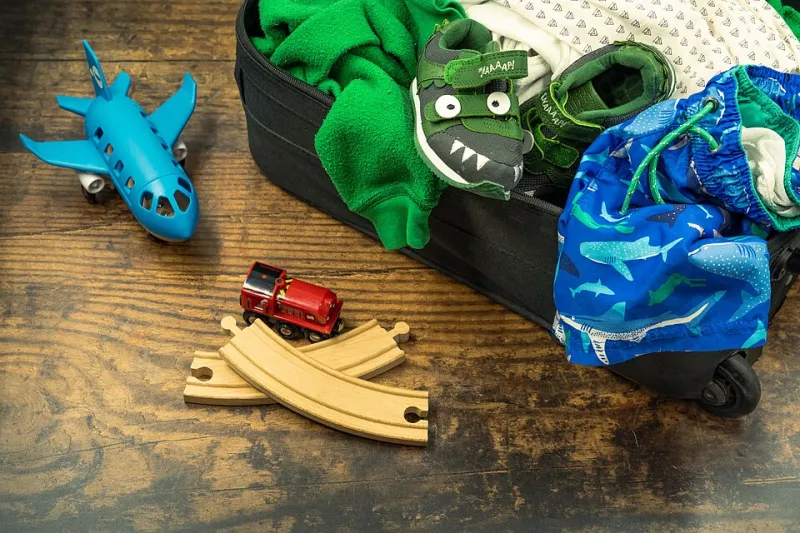
Photo: Familydestinationsguide.com Images, CC BY 2.0, via Wikimedia Commons
There is a moment, usually around 11pm the night before the flight, when every British-Indian household has the same conversation. The suitcase is open on the bedroom floor. Someone is sitting on it. Someone else is saying, with great seriousness, that you simply cannot go back to Britain without a pressure cooker. A third person is trying to wedge in a tub of mango pickle wrapped in three plastic bags and a prayer.
This is not packing. It is inheritance by luggage allowance.
The ritual has not changed, but the maths has
In 2026, the diaspora suitcase is still a deeply emotional object. It is part care package, part negotiation, part family reputation. One reader from Wembley told me her mother-in-law once sent her back with six kilos of besan because 'the stuff in London is not the same'. A Manchester family I know has a standing rule: nobody travels to India without an empty 23kg bag. Nobody returns with it empty.
The problem is that airline baggage fees have become less sentimental. A second checked bag on a return economy ticket can easily add £80 to £150, depending on the route and the fare. That changes the calculation. If the whole point is to bring back a £25 pressure cooker, the economics start to look wobbly.
So here is the honest 2026 version of the suitcase rulebook: what earns its space, what is pure nostalgia, and what UK customs would rather you left in India.
The things that genuinely earn their luggage space
Sealed snacks, within reason
This is the great yes. Snack haulage remains the beating heart of the return journey: khakhra, namkeen, chakli, ready-to-fry mixes, biscuits, instant chai sachets, and the specific brand of masala your aunt insists is unavailable in Southall. Keep everything commercially sealed, check use-by dates, and pack it in a separate bag so airport security can have a look without unpacking your kurtas.
Do check the current UK rules on food imports before you zip. Most personal imports of meat and dairy from India are restricted, and home-made ghee or vacuum-packed paneer is not worth the risk. Commercially packaged vegetarian snacks are usually the safer bet, but labels and official guidance matter more than family confidence.
Spices, but not the whole masala dabba
A few sealed packets of good chilli powder, garam masala, cumin, or a specific regional blend are worth it. Loose powders in unlabelled bags are not. They leak, they look suspicious, and they make the whole suitcase smell like a Delhi kitchen for a year. Buy sealed, labelled packets and double-bag them.
Ayurvedic balms and basic remedies — with caution
Small, sealed, labelled balms and oils are a classic. They are also not magic. If you use them, keep the original packaging and receipts. Some Ayurvedic products can contain ingredients that are controlled in the UK, and medicines should be checked carefully on GOV.UK before travel. A tiny pot of balm is fine. A suitcase-sized pharmacy with handwritten labels is not.
Textiles and small homeware
A good cotton bedsheet, a few dupattas, a steel tiffin, or a small brass item can be worth it. Textiles are light, useful, and hard to find in the same quality on a British high street. A steel tiffin is also genuinely useful if you take lunch to work. The key is to ask: will I use this in the next six months? If the answer is maybe, leave it.
The pressure cooker — only if it is the right one
Here is the controversial verdict. A pressure cooker earns its place only if you need a specific size, brand, or model that you cannot easily buy online in the UK. Otherwise, it is heavy, bulky, and often cheaper to order from a UK retailer than to pay for an extra bag. If your family insists, ask them to check the weight before you commit. A 5-litre aluminium cooker is not a light souvenir.
What stays behind
Fresh coconuts, giant brass lamps, oversized utensils, cheap electronics, and anything with a loose lid should stay. So should home-made pickles and ghee unless you have checked the rules and packed them properly. The same goes for that beautiful but enormous serving dish your aunt swears you need for parties. You will use it twice and then store it behind the ironing board.
One reader from Harrow put it well: 'I once brought back a huge steel pot because my mum said it was essential. It lived in my hallway for three years. I eventually gave it to a charity shop, and I think it is still there, judging me.'
The customs bit nobody wants to read
On return to the UK, the £390 allowance for other goods is the number to know. Alcohol and tobacco have separate limits, and anything over the allowance needs declaring. Keep receipts for higher-value items, especially jewellery and electronics. If you are bringing back medicines, check the rules before you fly. If you are bringing back food, check the rules before you buy. The official GOV.UK pages are dull, but they are faster than an argument at the red channel.
A practical packing plan for 2026
Start with a hard weight limit. Weigh the empty bag. Put the non-negotiable items on the bed first: gifts, requested medicines, sealed snacks. Then add clothes. Then remove half the clothes. Wear your bulkiest shoes on the plane. Use vacuum bags for textiles, but not for anything sharp or fragile. Keep one small bag for paperwork, receipts, and anything that might need explaining at customs.
And finally, agree a family rule before you go: if it weighs more than two kilos and costs less than £20 in the UK, it probably stays.
The suitcase ritual is not really about pressure cookers. It is about being loved in a very specific, slightly inconvenient way. But in 2026, love can also be a £390 allowance, a sensible baggage scale, and the confidence to say no to a fourth bag of besan.